Low vision
Low vision lies between normal vision and blindness. It is characterized by visual acuity less than 3/10 or severely restricted visual fields despite maximum optical correction.

Main causes
- Age-related macular degeneration (AMD) — damage to central vision
- Advanced glaucoma — damage to the peripheral visual field
- Diabetic retinopathy
- Advanced cataract and congenital conditions
- Compression of the visual pathways or ischemia of the occipital cortex
- Retinal ischemia due to vascular occlusions
- Retinitis pigmentosa
What are the symptoms?
Signs vary depending on the pathology but typically include: reading difficulties, mobility problems, increased sensitivity to light, loss of central or peripheral visual field, and alteration of contrast or color perception.
How ophthalmology can help?
Specialized ophthalmologists collaborate with orthoptists and opticians and offer:
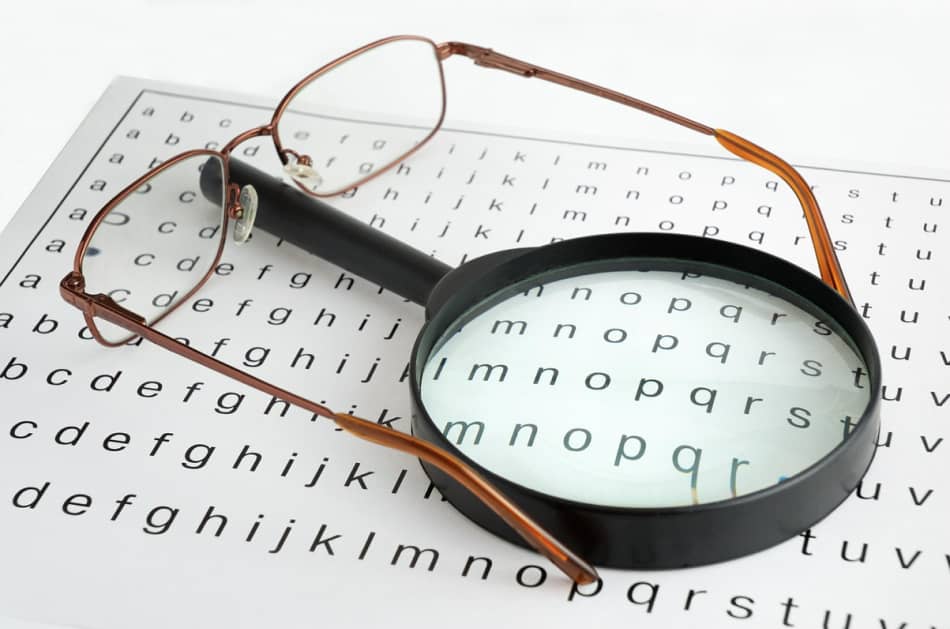
- Optical aids: magnifying glasses and telescopic systems, colored filters
- Electronic aids: tablets, video magnifiers, digital applications
- Personalized visual and orthoptic rehabilitation programs
- Changes in daily environment
- Referral to support associations
Solutions for better everyday living
Organizing living space and adopting accessible technology helps maintain independence. Joining support groups can also help a lot.
When to consult?
Early diagnosis is essential to slow disease progression and explore available interventions.