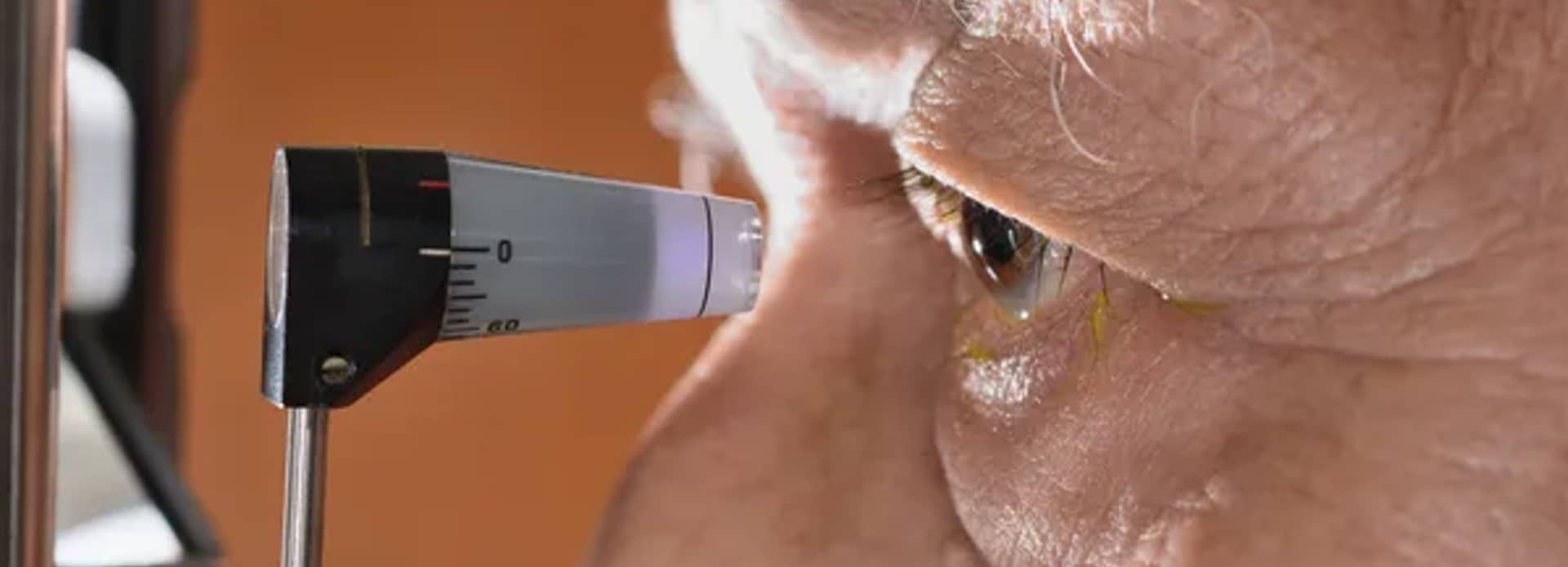
What is glaucoma?
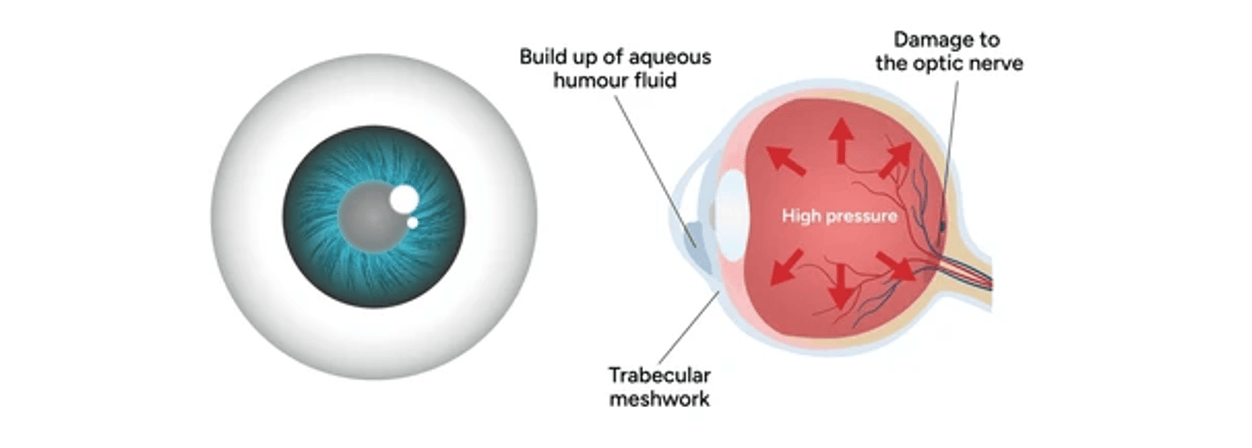
Glaucoma is an eye disease characterized by progressive damage to the optic nerve, often associated with elevated intraocular pressure (IOP). Left untreated, the condition can lead to irreversible blindness and is one of the leading causes of blindness globally.
What are the types of glaucoma?
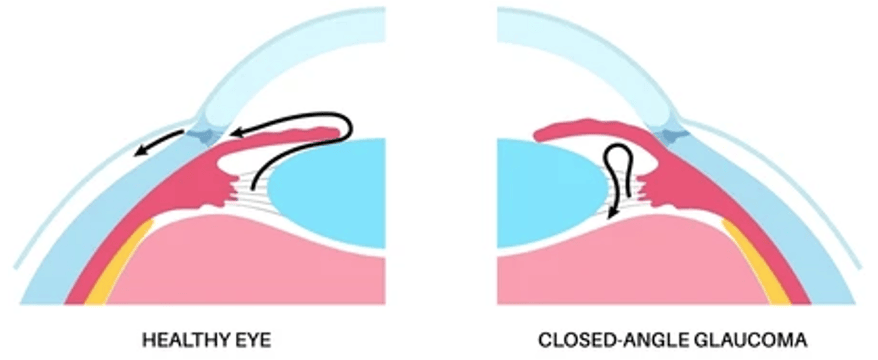
Open-angle glaucoma
The most common. Develops slowly, often asymptomatic initially. The flow of intraocular fluid is less efficient.
Closed-angle glaucoma
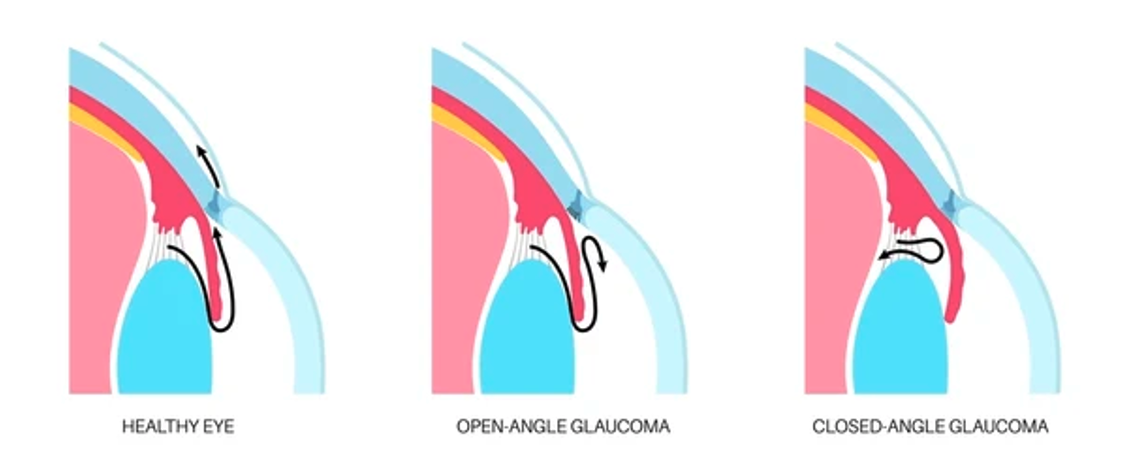
Less common but constitutes a medical emergency. Particularly affects patients with severe hyperopia or advanced cataracts. Symptoms include severe eye pain, nausea, blurred vision and bright halos.
How is glaucoma diagnosed?
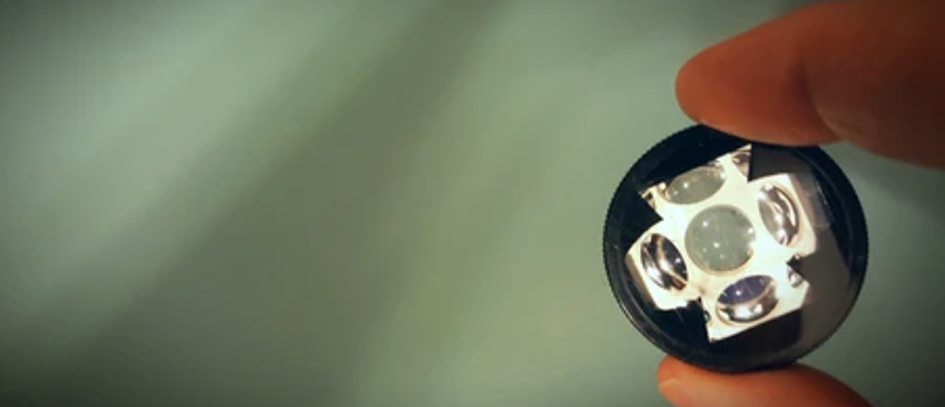
- Measuring intraocular pressure (tonometry)
- Optic nerve assessment
- Visual field (usually every 4 months initially)
- Gonioscopy
- Optical coherence tomography (OCT) for structural assessment of the optic nerve and ganglion cells
How is glaucoma treated?
Before treating glaucoma, it is essential to understand what type of glaucoma the patient has. Many classifications exist:
- high pressure glaucoma or normal pressure glaucoma
- open-angle or narrow/closed-angle glaucoma
- primary glaucoma or secondary glaucoma
- pediatric glaucoma or adult glaucoma
Concretely, we must remember that intraocular pressure represents the main risk factor for the progression of glaucoma and it is on this factor that we can act. Unfortunately, at present, glaucoma cannot be cured and glaucoma cannot be directly treated (i.e., damage to the optic nerve). To treat high pressure, it is therefore essential to determine whether it is caused by the narrow angle or whether it is a problem with the evacuation of aqueous humor (liquid produced by the eye) or overproduction. If the angle is narrow, either laser treatment (iridotomy if the patient is <50 years old) or early cataract surgery (extraction of the lens) can be carried out. If the angle is open, then it will be necessary to offer laser treatment by trabeculoplasty (SLT) or the instillation of eye drops. Cataract surgery can sometimes also reduce the pressure a little and in other cases glaucoma surgery is required.
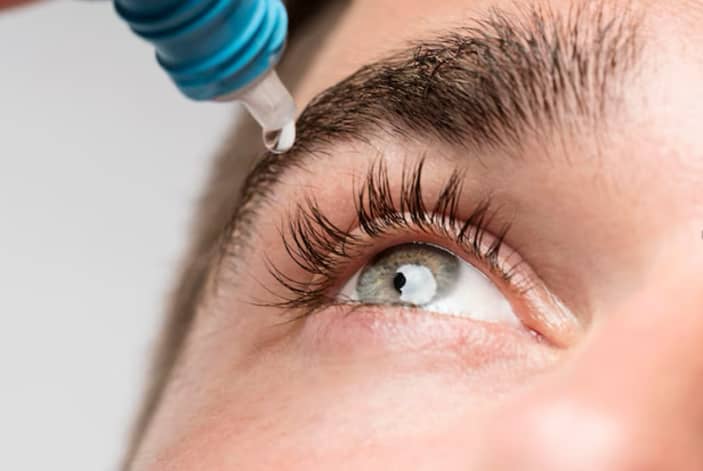
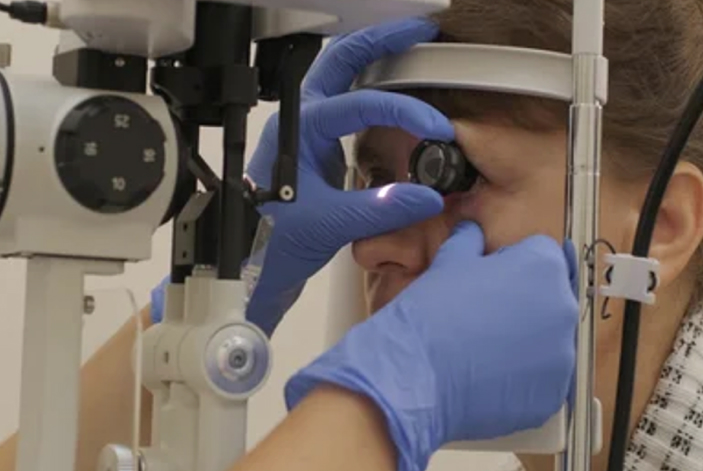
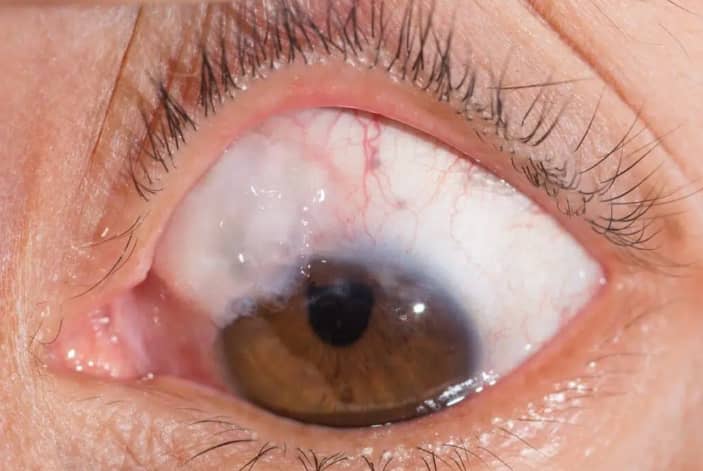
- Medications: hypotensive eye drops
- Laser: trabeculoplasty or iridotomy
- Surgery: trabeculectomy, deep sclerectomy, minimally invasive angle surgery, minimally invasive surgery with filtration bleb, valves and drainage implants
Glaucoma is a chronic disease requiring regular monitoring. Early detection is essential to preserve vision.