
Diabetes and eye complications
Diabetes represents a widespread systemic condition with increasing prevalence worldwide. The disease can impact vision through various mechanisms, with diabetic retinopathy and diabetic maculopathy being among the most common causes of vision loss.
Why does diabetes affect the eyes?
Prolonged high blood sugar damages small vessels throughout the body. Since the retina contains extensive microcirculatory vasculature, it is frequently affected first by complications of diabetes—like renal complications.
I am diabetic, am I at risk?
- Type 1 diabetics: earlier and more severe eye complications due to intense blood sugar fluctuations
- Type 2 diabetics: different profile linked to insulin resistance, often accompanied by additional cardiovascular risk factors
What are the possible eye damage?
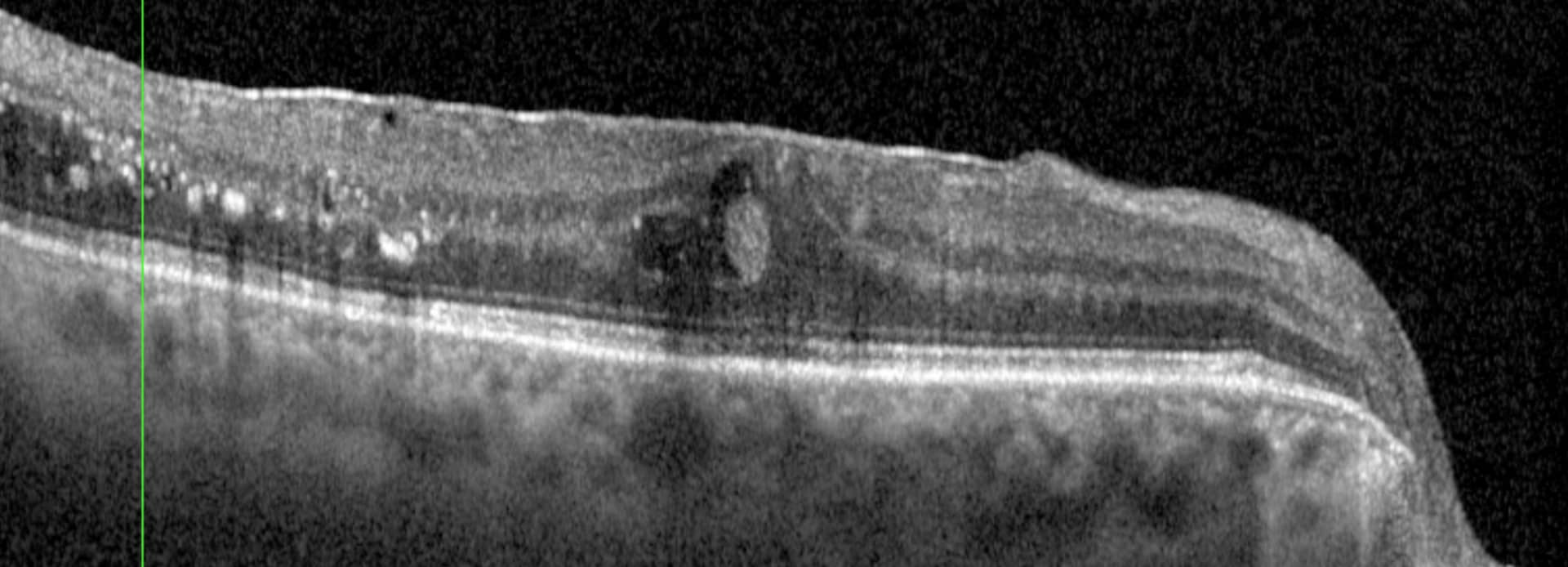
- Retinal hemorrhages and fluid accumulation
- Microaneurysms and cotton wool nodules
- Diabetic macular edema
- Proliferative diabetic retinopathy with new vessel growth
- Development of early cataract
- Corneal nerve damage (neuropathic keratopathy)
- Paralysis of the oculomotor muscles
When to get screened and should I have an annual check-up?
Annual ophthalmological follow-up is recommended for diabetics without ocular complications. In the event of existing damage, monitoring must be more frequent depending on the severity.
Treatments
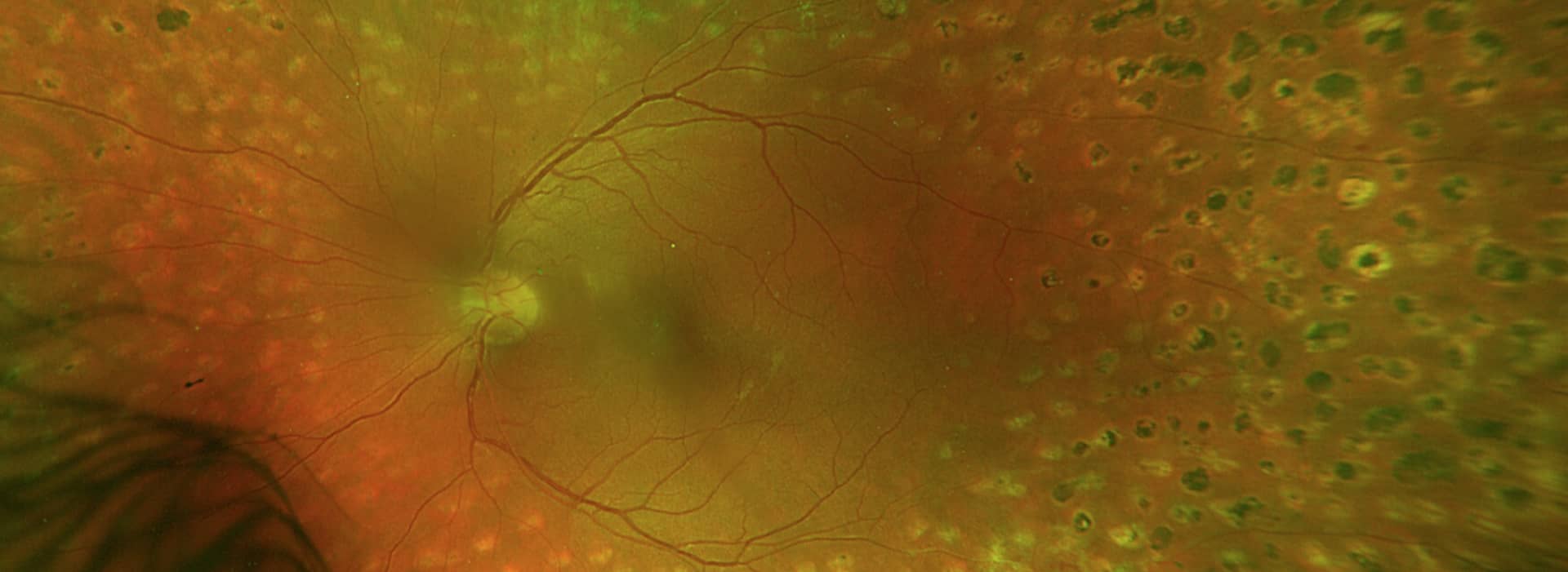
- Retinal argon laser (photocoagulation)
- Intravitreal injections of anti-VEGF or corticosteroids
- Vitrectomy in case of severe complications