What are the eyelids for?
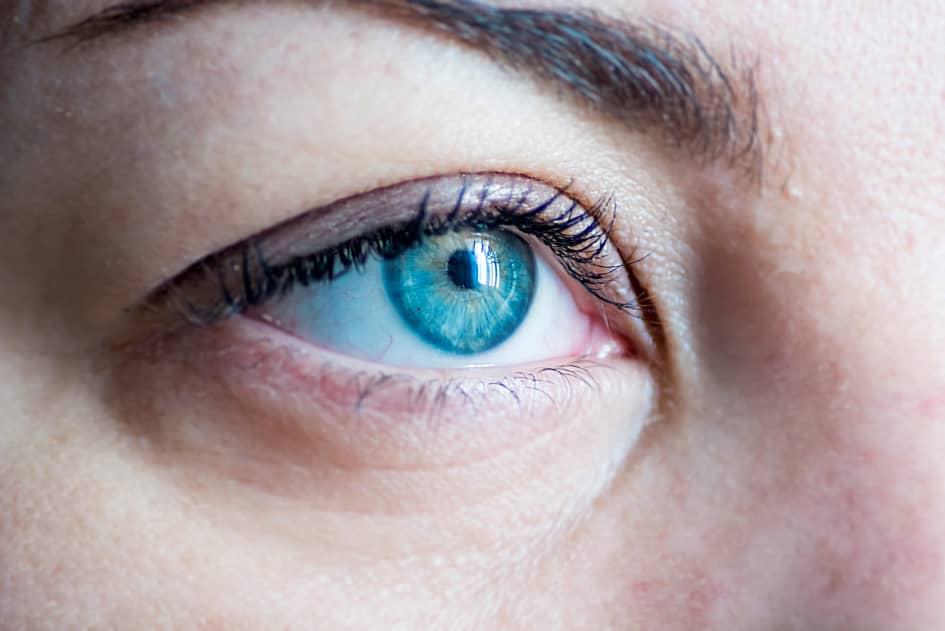
The eyelids perform aesthetic and protective functions. They protect the eyes by partially covering them, secrete and spread the different components of the tear film when blinking.
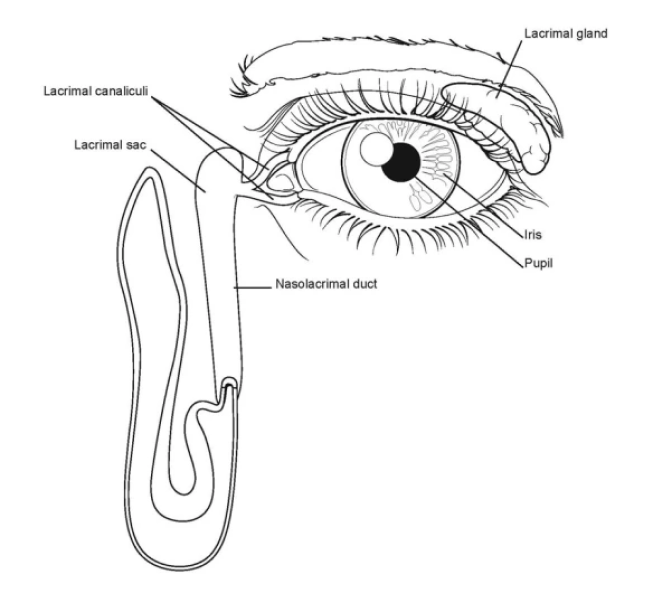
The eyelids are connected to the lacrimal apparatus acting in concert as a pump to evacuate tears towards the nose.
What are the eyelids made of?
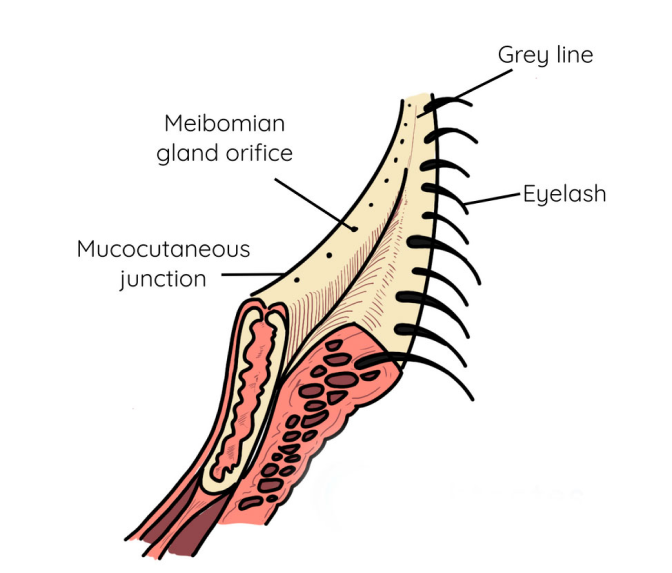
The eyelids consist of two layers: an anterior layer containing the skin and muscle, as well as a posterior layer with the tarsus (cartilaginous tissue). The epidermis of the eyelids represents the thinnest skin of the human body.
I have drooping eyelids, what should I do?
Aging causes tissue sagging and collagen reduction, leading to skin folds above the outer corner of the eyelids, creating a tired appearance.

From aesthetics to illness
This excess skin can gradually increase and limit vision - which meets the established criteria for disease and can give rise to coverage by health insurance (LAMal).

How to correct drooping eyelids?
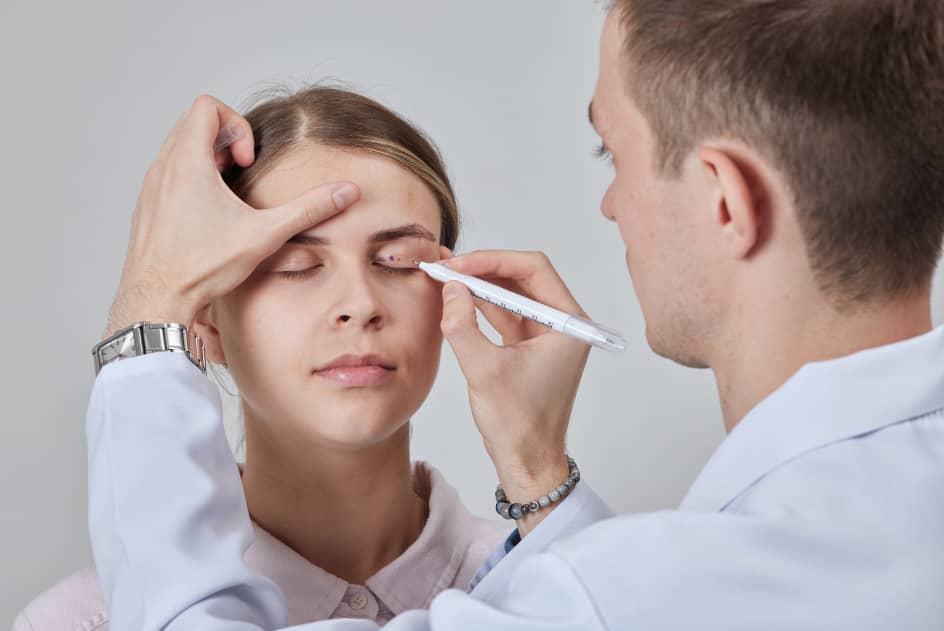
Corrective treatment consists of an upper blepharoplasty performed under local anesthesia. The procedure removes excess tissue in the form of a musculocutaneous strip, hiding the scar in the eyelid crease.
My eyelid is turning inwards, what should I do?
The position of the eyelids depends on the tension of the ligaments that connect them to the orbital frame. A decrease in this tension can cause abnormal positioning, reducing protective function and causing discomfort. A complete mechanical examination is essential before any surgical intervention.
Tear tract pathologies
- Dacryocystitis (infection of the lacrimal sac)
- Ductal or nasolacrimal duct stenosis
- Surgical or endoscopic dacryocystorhinostomy (DCR)