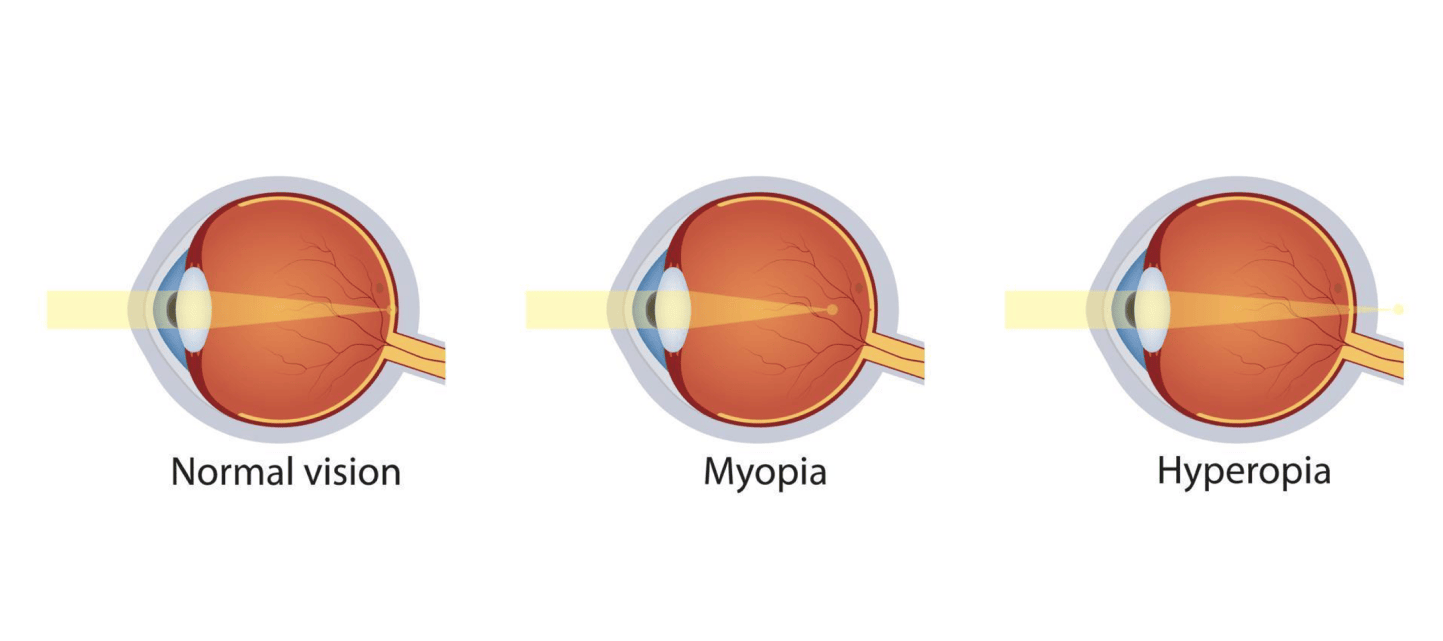
Refraction: what are we talking about?
Refraction is an essential part of the ophthalmologist's work. It refers to the measurement and correction of refractive errors (refractive errors) using precision optical equipment.
What are refractive anomalies?
- Myopia: difficulty seeing distant objects
- Hyperopia: difficulty seeing nearby objects
- Astigmatism: blurred vision due to irregularity of the cornea or lens
- Presbyopia: progressive age-related loss of near vision
What do we mean by refractive surgery?
Refractive surgery is not limited to laser techniques — it also includes cataract surgery with premium implants. Surgeons personalize treatment based on individual factors such as age, eye health and visual goals.
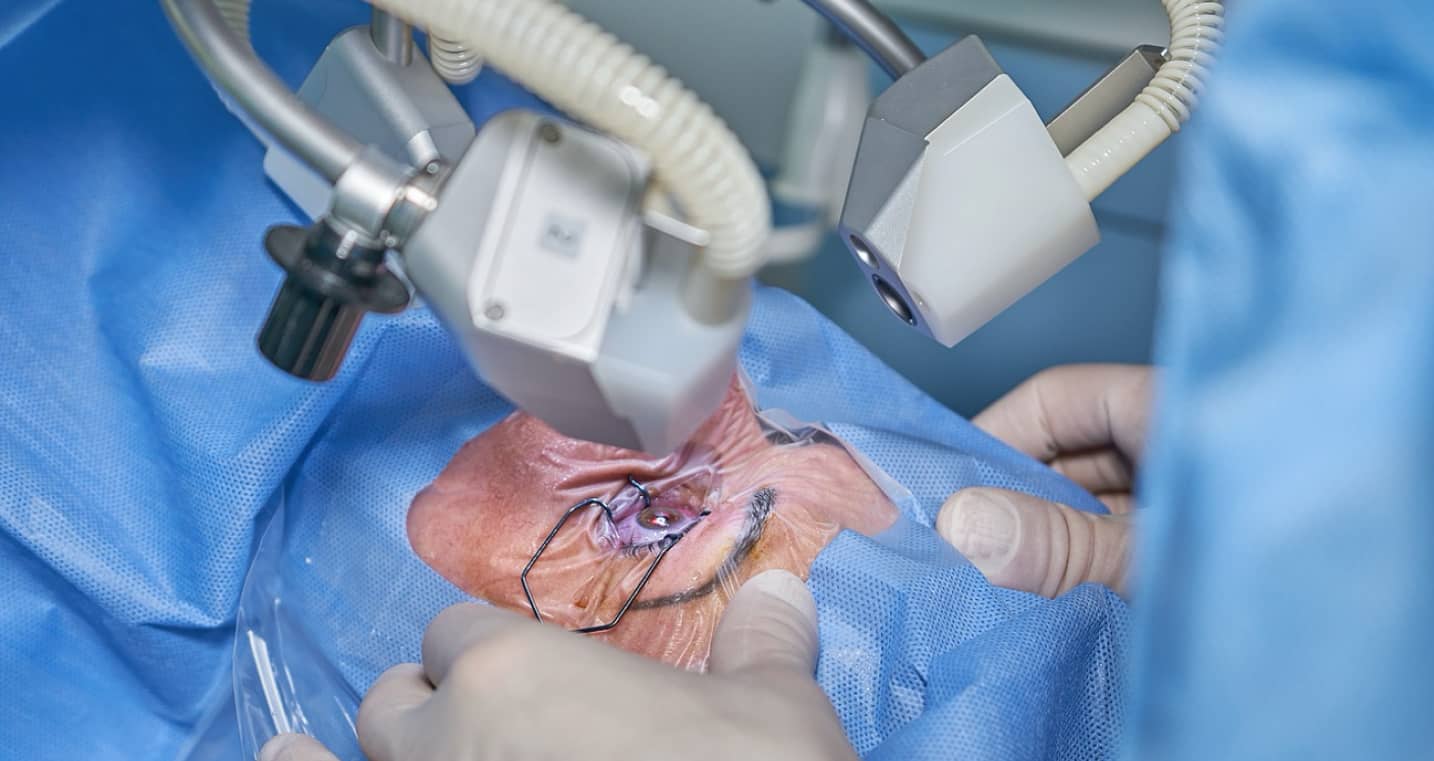
LASIK
Cutting a superficial corneal flap, then applying the excimer laser under the flap to reshape the cornea. The shutter is then repositioned.
PRK / TransPRK
Removal of the superficial layer of the cornea (epithelium) then laser remodeling of the surface. Without a flap, this technique is indicated for thin corneas.
SMILE
Extraction of an intrastromal lenticule through a mini-incision, without cutting a flap. Minimally invasive technique preserving corneal biomechanics.
Intraocular (phakic) lens implants
For high myopia (> -8 D) or corneas too thin for the laser, ICL implants (Visian ICL) are placed between the lens and the iris, without removing the natural lens.